

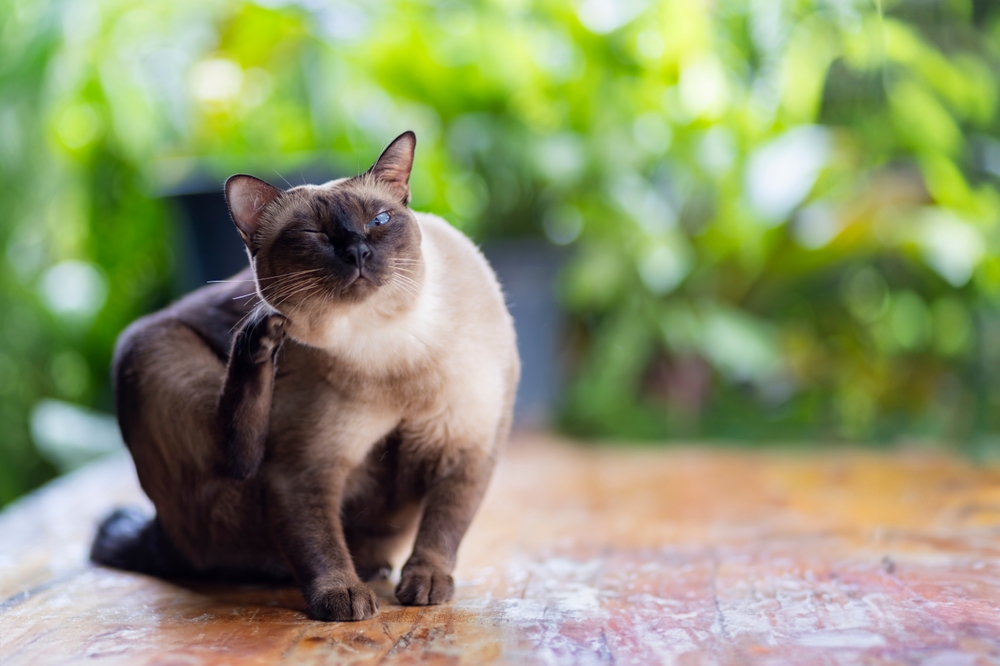
A dog or cat who has suddenly started shaking their head is often showing the earliest visible sign of an ear problem, sometimes days or weeks before the odor or discharge most families would recognize as an infection. What begins as mild irritation from trapped moisture, wax buildup, or allergies can move surprisingly fast down the path to a swollen, painful canal that needs prescription treatment. The good news is that ears are one of the easiest places on the body to monitor. Healthy ones look pale pink, carry only a trace of wax, and barely smell at all. A weekly glance inside each ear, with cleaning only when there is visible buildup, keeps most pets’ ears happy.
Alpine Animal Hospital sees ears at every stage of that progression, from the first almost-invisible head shake to the infection that makes a pet flinch at a touch. Our veterinary care for dogs and cats in Pocatello includes an ear check at every exam, from the first puppy and kitten visits through the senior years, so small changes get noticed while they are still small. Once an ear has turned painful and smelly, more home cleaning will not fix it; that ear needs an exam and a treatment plan, and we can provide both. Schedule a visit at the first head shake, and we can step in while the problem is still a minor one.
Four Things to Know About Your Pet’s Ears
- A quick weekly look and sniff catches most ear trouble early, while cleaning is only needed when you see wax or debris.
- Head shaking, scratching, redness, odor, or discharge are signs to have the ear examined rather than flushed at home.
- Floppy ears, hairy or narrow canals, allergies, and frequent swimming all raise the odds of ear problems and call for closer monitoring.
- Cats need a much gentler touch and far less frequent cleaning than dogs, and no pet should ever have a cotton swab pushed into the canal.
Which Ear Symptoms Mean It’s Time to Call the Vet?
Head shaking, tilting, scratching or pawing at the ears, redness, swelling, warmth, discharge with a strong smell, and yelping when the ear is touched are the signals that a pet needs to be seen rather than watched.
Some of these show up before you’d ever think to look inside. A dog who rubs one ear along the couch cushion, a cat who suddenly resents having their head scratched, a puppy who tilts their head to one side and holds it there: these are the quiet openers. The louder ones come later, when the canal is already inflamed and the odor carries across the room.
The tricky part is that pets are good at hiding early discomfort, and a single day of head shaking can look like nothing. When it keeps up, or when you spot discharge or catch that yeasty smell, that’s your cue. Our team offers same-day urgent care when a painful ear can’t wait for a routine slot, so a flare-up that starts on a Tuesday morning doesn’t have to sit untreated.
Can I Really Keep Up With Ear Checks at Home?
Routine ear checks are low-stress and quick because a healthy ear only needs a glance and a sniff, not a full cleaning. Most dogs and cats tolerate a gentle look when it becomes part of the same cuddle or grooming session every week.
The trick is making the ear a normal thing to touch. Teaching a puppy or kitten to associate ear handling with treats and praise is the foundation of cooperative care, and it turns weekly ear checks into a calm, predictable routine instead of a wrestling match. Lift the flap, take a look at the color, give a quick sniff, offer a treat, done. Thirty seconds.
Older pets who never learned this can still come around with patience and good snacks, though it takes longer. During routine wellness visits we walk families through what a healthy ear should look and smell like, so you know your own pet’s normal and can spot the day it changes.
Why Do Dogs and Cats Get So Many Ear Problems in the First Place?
Dog and cat ear canals are shaped like an L, dropping straight down before turning inward toward the eardrum. That bend traps moisture, wax, and debris in a warm, dark pocket where yeast and bacteria are happy to multiply, which is why ears are one of the most common trouble spots we see.
Some pets are naturally more prone to ear troubles:
- Floppy ears, hair growing inside the canal, and narrow passages keep that warm, dark canal from drying out the way it should.
- Endocrine diseases add to the risk. Dogs with hypothyroidism or Cushing’s disease are especially prone to infection because the diseases change the skin’s natural barrier and makes them more prone to infection.
- Allergies deserve special mention because they’re the hidden driver behind so many chronic ear cases. When the skin lining the canal is inflamed from a food or environmental allergy, it swells and produces more wax, which sets the stage for repeat infections that treating the ear alone never solves.
Every pet’s anatomy and medical conditions set the stage differently, which is why itchy ear problems cluster so heavily in some pets while others go a lifetime without one. A hound with heavy hanging ears gets very little airflow. A cat with allergies ends up with an inflamed, itchy canal long before anything looks infected. Knowing if your pet has a higher risk allows you to keep a closer eye on their ears and prevent problems.
How Often Should I Look In and Clean My Pet’s Ears?
Nearly every pet does well with a weekly visual check for changes in color, odor, moisture, or debris, but cleaning is a separate question: if the ear looks and smells normal, it doesn’t need to be cleaned. For most healthy pets, cleaning every few weeks or after a swim is plenty, while allergic or water-loving dogs may need it more often.
The single most common mistake is cleaning too much. Over-cleaning strips the protective wax layer, dries out the canal, and can irritate the very tissue you’re trying to protect, sometimes triggering the infection you were hoping to prevent. Here’s a rough guide to how often different pets need attention.
| Pet profile | Typical cleaning frequency |
| Healthy dog, upright ears | Only when you see wax or debris |
| Floppy-eared or hairy-canal dog | Every 1 to 2 weeks, plus after swims |
| Dog with allergies, endocrine disease, or infection history | As directed by us |
| Healthy cat | Rarely, only when debris is visible |
Because the right schedule depends on so many moving parts, we build a plan around each pet’s history, lifestyle, anatomy, and skin. Our veterinarians would far rather set you up with the right rhythm than have you guess and over-clean.
When ears keep flaring despite good home care, our advanced diagnostic services give us the tools to work up what’s really fueling recurrent infections, so we can treat the root cause instead of chasing the same flare-up every few weeks.
When Should I Not Clean My Pet’s Ears at Home?
Skip home cleaning entirely when the ear is swollen, red, warm, painful, bleeding, crusted, or producing odorous discharge, and when your pet suddenly seems disoriented or is holding their head to one side. In those situations, flushing the ear can push infection deeper or cause lasting damage, so the ear needs an exam first.
Redness, warmth, and odorous discharge often point to otitis externa, an inflammation of the outer ear canal that needs a veterinary exam before any cleaner touches the ear. If you’re ever unsure, when not to clean your pet’s ears comes down to a simple test: an ear that looks angry or hurts to touch is an automatic no.
When infection reaches the middle and inner ear as otitis media and interna, pets can develop a head tilt, loss of balance, or disorientation, and a ruptured eardrum makes home cleaning dangerous. If any of that’s on the table, please do not reach for the cleaner; bring them in for an urgent care visit so we can look before anything goes into the ear.
What’s the Safe Way to Clean My Pet’s Ears?
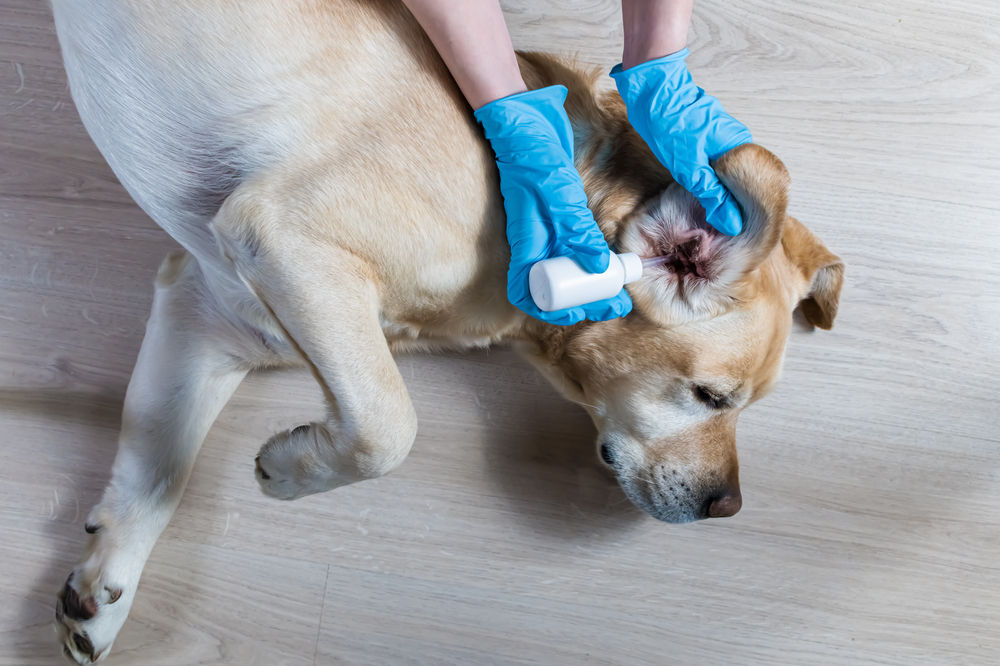
Once we’ve given the go-ahead, cleaning your dog’s ears follows a simple rhythm:
- Start with calm setting in a room that can get a little messy, and get your treats ready
- Fill the canal with an approved cleaner, keeping your pet’s head upright
- Massage the base of the ear gently; you’ll hear a squishy sound as the cleaner moves around in the canal
- Let your pet shake, then wipe away the loosened debris with a cotton ball or soft cloth
- Give treats and praise
The one hard rule: nothing rigid, especially a cotton swab, ever goes down into the canal. Stop the moment your pet pulls away or seems uncomfortable, and try again another day rather than forcing it.
Cleaning your cat’s ears calls for an even gentler touch and far less frequency, since a healthy cat rarely needs the routine ear flushing some dogs do. If you find yourself cleaning a cat’s ears often, that’s usually a sign to have them checked rather than a routine to keep up. Our team is glad to demonstrate the technique during a wellness visit so you can feel confident doing it at home.
Are All Ear Cleaners Actually Safe to Use?
Not every product on the shelf belongs in your pet’s ear. Cleaners containing alcohol, hydrogen peroxide, vinegar, or essential oils can sting inflamed tissue, cause chemical burns, or be toxic, and human ear products are never appropriate for pets. A safe cleaner is pH-balanced and gentle.
The word “natural” on a label isn’t a safety guarantee. Plenty of products marketed for pets carry irritating essential oils or vinegar under friendly packaging, and with a ruptured eardrum the wrong cleaner can cause permanent damage or even deafness. When in doubt, the safest bet is a veterinary-approved solution rather than a home remedy or a bargain-bin bottle.
What’s growing in the ear determines the right match, and ear cytology identifies whether yeast or bacteria are behind the problem so a veterinarian can pair the product with the cause. Good cleaners combine gentle surfactants that lift debris with drying agents that discourage regrowth, and the balance shifts depending on whether a pet has allergies, an active infection, or canal damage. We stock a veterinary-approved ear cleaner in our online pharmacy, with home delivery to your door. Ask which cleaner is right for your pet before you buy anything.
How Do I Keep Water From Causing Ear Trouble?
Trapped water is one of the biggest preventable causes of ear infections, because moisture sitting in that L-shaped canal is exactly what yeast and bacteria need to bloom.
The fix is mostly about drying:
- If swimming, especially in natural water sources, use an ear cleaner first to flush out any bacteria-laden water.
- Towel the ears dry and give the canal a chance to air out; for floppy eared pets, flip the ears up while they’re taking their post-swim nap for extra air flow.
- Keep long hair around ears cut short to prevent moisture buildup.
A veterinary drying solution goes a step further than the towel, and getting water out of a dog’s ear promptly is what keeps a wet afternoon from turning into an infected week. For a dog who spends a Pocatello summer in and out of the water, that drying step after every session can be the difference between a clear season and a string of infections. If that sounds like your dog, mention it at their next wellness exam and we can help you build a drying routine that fits.
What Does a Professional Ear Exam Catch That I Can’t?
A professional exam sees what home checks can’t: with an otoscope, we look deep into the canal all the way to the eardrum, assess the pattern of any discharge or inflammation, and run cytology when infection is suspected. That depth of view is why routine veterinary ear checks matter even when the ear looks fine from the outside.
A hidden foxtail or grass awn, an ear polyp, or the early swelling of an infection all live in territory only an otoscope reaches. Just as important, chronic ear problems are often a symptom of something bigger, such as allergies or an endocrine condition like Cushing’s disease or hypothyroidism. Folding a complete veterinary exam into your pet’s regular schedule is how those underlying drivers get caught before the same infection keeps coming back.
Frequently Asked Questions About Pet Ear Care
How do I tell normal wax from an infection?
A little pale yellow or light brown wax is completely normal and doesn’t smell like much. The signs that tip you toward infection are a strong or sour odor, a darker or thicker discharge, redness or swelling inside the ear, and any sign of pain or head shaking. Normal wax you can simply wipe from the opening; a smelly, painful, or discolored ear needs an exam before you clean it, because cleaning an infected ear at home can make things worse.
My pet keeps getting ear infections even though I clean them. Why?
Recurring infections despite diligent cleaning almost always point to an underlying cause, most often allergies. When the skin inside the canal is chronically inflamed, it swells and overproduces wax, and yeast and bacteria return again and again. Cleaning treats the surface but not the source. Getting to the bottom of it usually means a workup for allergies or, in some cases, a hormonal condition, so we can address what’s driving the cycle instead of chasing each flare-up.
Can I use cotton swabs to clean deep in the ear?
Cotton swabs have no business inside the canal. Pushed in deep, they pack wax and debris down toward the eardrum instead of removing it, and they risk injuring the delicate canal lining or the eardrum itself. Safe cleaning uses a liquid cleaner to loosen debris and lets your pet shake it out, with a cotton ball wiping only the outer opening. Everything deeper than that is our job, with the right tools.
Keeping Your Pet’s Ears Comfortable for the Long Haul
Good ear health is really just three habits working together: a quick weekly look at home, cleaning only when it’s needed, and a professional set of eyes at regular exams. Recurring ear trouble can feel exhausting, but with the right plan most pets stay comfortable and the flare-ups get further apart.
If your pet’s ears have you second-guessing, whether it’s a new head shake or a question about which cleaner to buy, reach out to the Alpine Animal Hospital team in Pocatello and we’ll help you sort it out. You can also schedule an exam whenever an ear needs a closer look than a home check can give.


Leave A Comment