

Hidden Dangers in Your Pet Supply Closet: Walking Equipment and Toys That Cause Injury
Walk into any pet store and the sheer variety of collars, harnesses, leashes, toys, and chews can feel overwhelming. Marketing promises control, training results, entertainment, and safety, but not all products deliver on those claims without consequences. Some tools marketed as training aids can cause physical injury, create fear-based responses, or damage the trust between dogs and their families. Popular toys and chews can lead to broken teeth, intestinal blockages, or emergency surgery.
At Alpine Animal Hospital in Pocatello, we see the fallout when the wrong equipment or toys cause problems. Tracheal damage, neck injuries, behavior setbacks from aversive tools, broken teeth from hard chews, and intestinal obstructions from swallowed toy parts are all common. Our small animal services include evaluating equipment-related injuries and guiding you toward safer choices. Schedule an appointment to discuss options or address concerns.
Why Your Dog’s Signals Matter
Dogs communicate through body language. Understanding canine body language helps you spot discomfort from equipment: tucked tails, pinned ears, “whale eye,” coughing, gagging, or freezing. These signs mean the gear is causing stress.
Knowing dog communication can explain sudden reactivity or refusal to walk. Sometimes it’s not stubbornness; it’s pain. The stress ladder shows how minor stress can escalate to fear or aggression, especially when gear restricts movement.
Watch for red flags: pulling harder with certain collars, reluctance to walk, increased reactivity, coughing on leash, or behavior changes after switching gear. During wellness exams, we can help identify stress signals and recommend safer alternatives.
How Equipment and Toy Choices Affect Behavior
The right equipment makes training easier for anxious or reactive dogs. Aversive collars add fear to already stressful moments. Gentle control tools, paired with training, help dogs learn calmly. Walking nicely on leash is a taught skill; pain-based tools distract from learning.
Health can play a role too. Pain, arthritis, or sensory loss can look like reactivity or “stubbornness.” If walking issues persist, schedule a checkup to rule out medical causes. At Alpine Animal Hospital, we offer comprehensive pain management and arthritis treatment for mature dogs, and our small animal services include evaluating whether physical discomfort is affecting your dog’s behavior. The right toys and chews also reduce destructive behavior by channeling energy into safe outlets.
Training Works Best Without Pain
Modern training emphasizes rewards over punishment. The positive training philosophy teaches dogs what to do, not just what not to do. Dogs learn faster, feel safer, and build trust when training is pain-free.
When a dog walks nicely because calm behavior earns treats and praise, they understand the goal. When a dog stops pulling because moving forward hurts, anxiety often increases and pulling usually returns. Positive methods build long-term skills and stronger relationships.
Veterinary professionals favor humane methods because we see fewer injuries and better behavior outcomes. Dogs don’t need pain to learn. They need clear cues, consistency, and motivation.
Aversive Collars Create More Problems
Prong collars, choke chains, and shock collars rely on discomfort. They can cause physical harm and increase fear without teaching better choices. The dangers of training collars include tracheal injury, neck strain, thyroid issues from pressure, and even eye pressure changes.
Major veterinary organizations discourage aversive training methods. Dogs trained with pain-based tools often show higher stress, less trust, and more behavior problems, including aggression. If a dog feels pain when another dog appears, they can learn that other dogs predict something bad.
These tools suppress behavior without fixing the cause. If your dog pulls from excitement or anxiety, pain won’t solve it. Our veterinary team can help you uncover why your dog pulls and suggest humane, effective strategies.
Why Retractable Leashes Aren’t Safe
Retractable leashes seem convenient, but they pose real risks. The thin cord can cut skin and cause serious injuries. Dogs can hurt their necks when hitting the end of the line, and bulky handles are easy to drop.
They also offer little control in emergencies. You can’t shorten the leash fast if your dog runs toward a street or another dog, and locks can fail. Retractables also reward pulling, which works against loose-leash training. A standard leash keeps everyone safer.
Safer Walking Equipment
Collars: Flat collars are best for ID and everyday wear. Fit so two fingers slide underneath. Properly fitted martingale collars help prevent slipping out without choking. Choosing the right collar depends on fit and your dog’s shape.
Harnesses and head halters: Harnesses and head halters shift pressure off the neck. Back-clip harnesses suit calm walkers. Front-clip harnesses help redirect pullers. Dual-clip models offer both. Head halters guide the head for gentle control. Introduce slowly with rewards. They’re not muzzles- when your dog pulls on the leash, the head is pulled downward instead, helping teach dogs that pulling doesn’t get them forward movement.
Leashes: A 4 to 6-foot standard leash gives control and freedom to sniff. Leather is comfy and durable; nylon is easy-care; rope has good grip.
Long lines: Long line training lets dogs practice recall safely in open spaces. Unlike retractables, long lines don’t have mechanisms that fail or cords that cut.
Good fit matters. Harness straps should be snug without rubbing; you should fit two fingers under each strap. Head halters need careful sizing and positive introductions. We’re happy to fit gear during veterinary appointments.
Common Toys That Lead to Emergencies
Some popular toys send dogs to the ER regularly. Not every dog will have problems with every toy; supervise your pet with new toys to understand their play styles and risks for consuming toy parts.
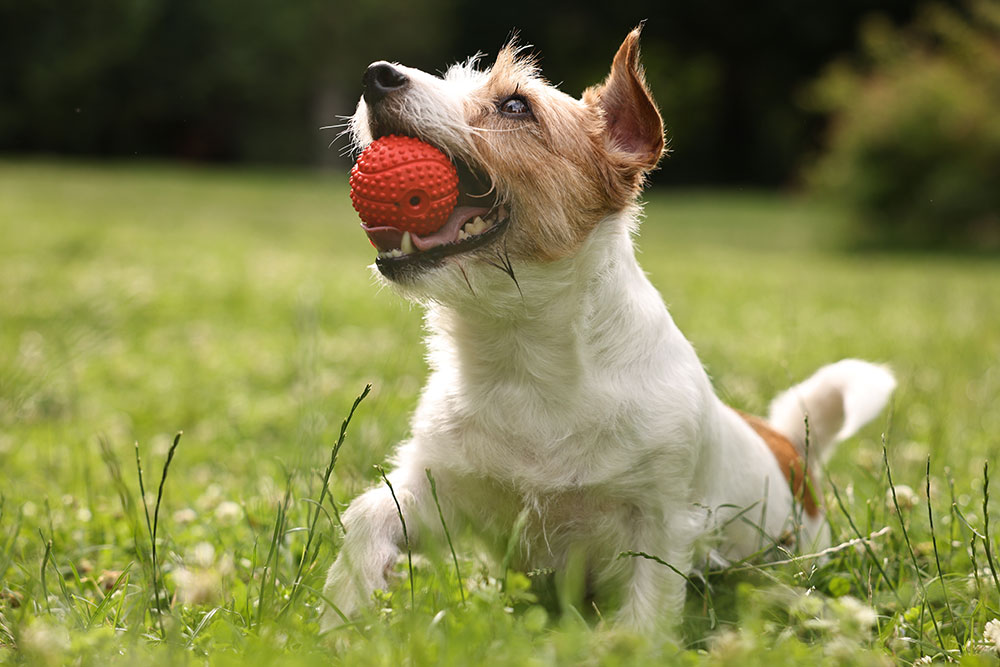
Tennis balls: The fuzzy coating can wear down teeth in heavy chewers and pieces can pose a choking risk. Over time, this abrasion can expose sensitive tooth pulp, causing pain and infection that requires extraction. Be especially careful of tennis balls covered in sand- they are extra abrasive.
Rope toys: Strings can cause dangerous intestinal blockages if swallowed. These fibers can create linear foreign bodies that require emergency surgery, as the string can saw through intestinal walls.
Small or brittle toys: Small rubber toys can be choking hazards; hard plastic can fracture teeth and may require care through our dental services. Always choose toys sized appropriately for your dog’s mouth to prevent swallowing whole.
Squeaky and Stuffed toys: Many dogs obsessively remove and swallow squeakers, which can obstruct the airway or intestines. We’ve removed countless squeakers through emergency surgery, which is expensive and painful. Stuffed toys last a lifetime for some dogs, and seconds for others. Monitor them closely to ensure they don’t consume fabric and stuffing.
Choose the right size. A toy perfect for a small dog can be hazardous for a larger one. Supervise toys your dog can tear apart, and retire worn or damaged items promptly.
Chews That Often Lead to Injury
Many chews are risky. The potential dangers of popular dog chews include broken teeth, choking, and intestinal blockages.
Bones: Bones splinter, break teeth, or obstruct if swallowed. Large weight-bearing bones are hard enough to fracture the strong molars at the back of the mouth, causing pain and requiring extraction or root canal therapy.
Rawhide: Can swell in the stomach and cause blockages; processing chemicals are another concern. These pieces don’t break down well and can become lodged in the esophagus, stomach, or intestines.
Antlers and hooves: Extremely hard and frequently crack teeth. Treatment is costly and painful. These are among the top causes of fractured teeth we see in practice.
Hard nylon bones: If a chew fails the “thumbnail test” (you can’t dent it with your thumbnail), it’s too hard. Many “indestructible” products marketed for heavy chewers routinely cause fractured teeth.
Natural chews: Bully sticks can be safe when sized correctly. Remove when small enough to swallow, and supervise use to prevent choking.
Watch for warning signs: broken teeth, drooling, pawing at the mouth, vomiting, reduced appetite, lethargy, or straining. If you notice these, contact our urgent care services right away. We handle emergencies in-house during open hours and are available 24/7 for after-hours calls, providing comprehensive treatment, hospitalization, and critical care when your dog needs immediate help.
Better, Safer Enrichment
Tough rubber toys: Durable rubber toys satisfy chewing needs and can be stuffed with food for mental engagement.
Puzzle toys: Treat-dispensing toys tire dogs out mentally and reduce destructive behavior.
Match chew and toy type to your dog: Safe chew toys depend on your dog’s chewing style: light, moderate, or power chewer. Size appropriately to prevent choking. Keep a few toys out and swap weekly to keep interest high without constant buying. Flirt poles, snuffle mats, and frozen treats are great outlets when used with supervision. VOHC approved dental chews are a great option for chews that provide dental benefits.
Muzzles: A Helpful Safety Tool
Some dogs, like those that are fear reactive or prone to eating everything in sight, benefit from muzzle training. When used correctly, muzzles keep everyone safe and reduce stress. Basket muzzle training uses gradual, reward-based steps so dogs feel comfortable wearing one.
Basket muzzles let dogs pant, drink, and take treats, making them useful for vet visits, grooming, or situations where a dog may eat something dangerous. Never use a muzzle as punishment. Properly introduced, it becomes a cue for safety and treats, not fear. We can help you pick the right size and create a step-by-step conditioning plan.
Switching to Safer Gear and Toys: What to Expect
Start positive: Introduce the new harness or collar with treats. Practice putting it on and off before going on a walk. Keep initial walks brief and rewarding. Use special treats only for walks with the new gear.
Expect an adjustment period: Dogs may pull more at first because pain no longer stops them. This is your cue to teach loose-leash skills. Everyone who walks your dog should use the same equipment and techniques. Everyone should follow the same toy rules. Consistency speeds learning.
Get support: If progress stalls, our team can help you fit gear, refine training, and check for medical issues. Quality gear and safe toys pay for themselves. A well-made harness and durable rubber toy cost far less than emergency surgery for an obstruction or fixing a broken tooth. Prevention is the smart, kind choice.
FAQs
Are prong or shock collars ever necessary?
No. Safer, humane options work without the risks linked to aversive training methods.
What’s a quick way to judge a chew’s safety?
If you can’t dent it with your thumbnail, it’s too hard for your dog to chew safely.
Is a head halter a muzzle?
No. Head halters guide the head; dogs can eat, drink, pant, and bark.
Are retractable leashes okay sometimes?
We don’t recommend them due to safety and control issues. A standard leash or a properly used long line is safer.
Your Partner in Safe Equipment, Toys, and Happy Walks
Choosing safe walking equipment, toys, and chews protects your dog’s health and supports better behavior. The right gear makes training clearer, walks more enjoyable, and injuries less likely. Our team tailors recommendations to your dog’s size, body type, behavior, and health.
If you’re transitioning away from aversive tools, need help fitting a harness, or want guidance on safe toys and chews, we’re here for you. Contact us at (208) 269-7842 with questions, or schedule an appointment to get personalized advice. We’ll partner with you to keep your dog safe, comfortable, and confident on every walk and during play.



Leave A Comment