

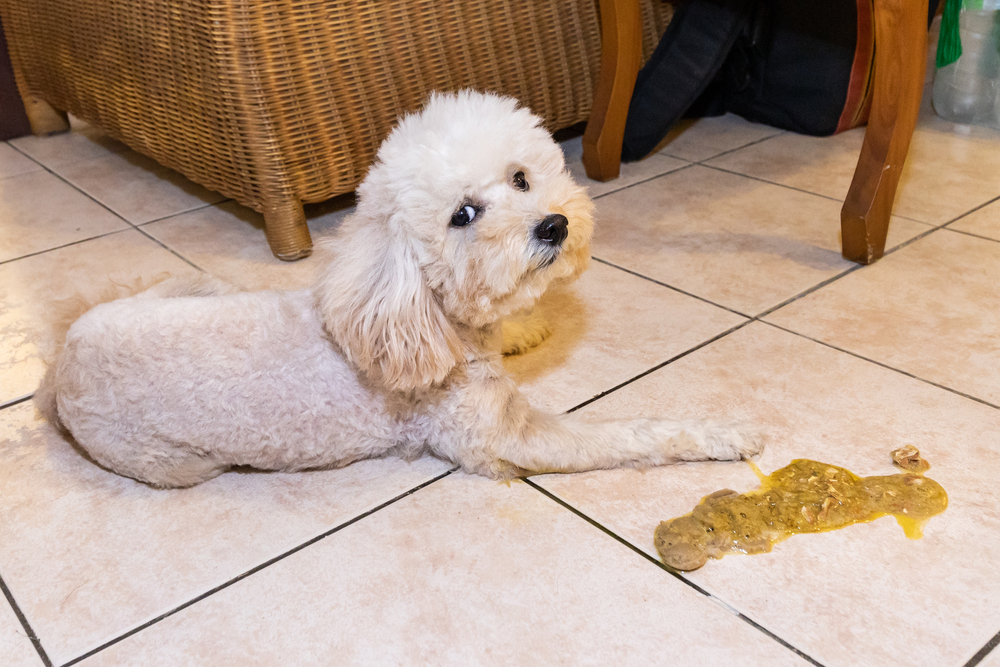
Chronic vomiting rarely announces itself as something serious. It tends to start small: finding an occasional vomit puddle when you wake up, a cat who brings up a hairball a little too often, or a dog who seems fine but pukes for no obvious reason. Over time, though, what was just an annoying mess to clean up can turn out to be inflammatory bowel disease, a food intolerance, a motility disorder, or something else entirely that only shows up when the right diagnostics are run. Getting to the bottom of it usually means working through a process, starting with diet trials and bloodwork and sometimes ending with endoscopy or biopsy when earlier steps haven’t provided a clear answer.
At Alpine Animal Hospital in Pocatello, we’re a privately owned practice with 24/7 emergency availability and a full suite of advanced diagnostic and treatment services that allow that kind of thorough, stepwise workup to happen close to home. We treat every patient like family, which means we stick with a case until there are real answers, not just a temporary fix. Contact us to get a chronic vomiting concern properly evaluated.
Why Does My Pet Keep Vomiting? Getting to the Root Cause
Cleaning up vomit for the third time in a week while watching your pet act completely unbothered is a particular kind of maddening. Is it serious? Is it nothing? Should you go to the vet, or wait and see? Most owners cycle through these questions for longer than they should before getting answers.
The reality is that chronic vomiting, meaning vomiting that happens repeatedly over weeks or months, almost always has an identifiable cause. Finding it requires a systematic approach that considers diet, organ function, GI structure, and sometimes behavioral factors. We take that kind of thorough, patient-by-patient approach, building a full picture rather than reaching for a quick fix. Schedule an appointment to start the workup.
When Should Vomiting Prompt a Veterinary Visit?
Not every vomiting episode is cause for alarm. Dogs eat grass and occasionally bring it back up. Cats produce hairballs from time to time when grooming. An isolated vomiting episode with no other symptoms in an otherwise healthy, energetic pet is generally low urgency.
The picture changes when vomiting is persistent or comes alongside other changes. Warning signs that warrant prompt evaluation include:
- More than one hairball a month
- Unexplained weight loss, even if appetite seems normal
- Lethargy or reduced interest in activities
- Changes in thirst or urination
- Vomiting that contains blood or looks like dark coffee grounds
- Concurrent diarrhea
- Abdominal pain, bloating, or sensitivity when touched
- Vomiting that happens more than once or twice a week consistently
These signs can point to conditions that range from food sensitivity to organ disease, and some become more serious when left unaddressed. Annual wellness exams help establish health baselines and catch early shifts before they escalate.
What Causes Chronic Vomiting in Dogs and Cats?
The list of conditions that can cause persistent vomiting is genuinely long, which is why the diagnostic process matters so much. Here’s a breakdown of the most common categories.
Could It Be Something They Ate?
Food and treats, inappropriate snacking on trash and plants, or eating inedible objects are some of the most frequently overlooked contributors to chronic vomiting. Choosing pet food that’s appropriate for your pet’s life stage and health status matters, but even the right food can cause problems if sensitivity develops over time.
- Food allergies involve an immune response to a specific protein, most commonly chicken, beef, dairy, or eggs. Food intolerances cause digestive upset without immune involvement and can develop gradually even on a diet a pet has eaten for years. Dietary indiscretion, meaning counter surfing, trash access, or rotating snacks, can also keep the GI tract in a low-grade state of irritation or cause pancreatitis that produces intermittent vomiting for months on end.
- Pets who get into trash are also prone to GI obstructions from swallowed objects. This can cause acute vomiting, but partial obstructions sometimes produce intermittent symptoms that go on for days or weeks before the cause becomes clear. Fabric, string, small toys, and food packaging are common culprits.
- It’s also worth checking out your houseplants. Pets who nibble on leaves regularly can develop oral and gastrointestinal inflammation and ulceration, even if the plant isn’t necessarily “toxic”. The ASPCA maintains an extensive list of toxic plants to help identify household and yard risks.
If you suspect your pet has ingested something toxic, poison control guidance should be your first call. After consulting poison control, contact us for direction on next steps.
Primary GI Tract Disorders
When the GI tract itself is the source of the problem, the possibilities include several distinct conditions.
- Inflammatory bowel disease (IBD) causes chronic inflammation of the gut lining and is one of the most common diagnoses in persistently vomiting cats and dogs.
- Lymphoma, one of the most common cancers in older cats, frequently mimics IBD in presentation, which is one of the reasons biopsy is sometimes essential to get the diagnosis right.
- Gastric ulcers from NSAIDs or toxins can cause vomiting with or without visible blood.
- Stomach cancers produce similar symptoms as ulcers, with blood or coffee-ground like vomit.
- Bilious vomiting syndrome produces predictable early-morning yellow bile vomiting on an empty stomach.
- Pyloric Stenosis occurs when the hole between the stomach and intestines is too small, preventing food from passing through normally, causing vomiting.
Knowing the difference between vomiting and regurgitation makes a difference here, too. Megaesophagus, a condition where the esophagus loses normal motility, causes regurgitation rather than true vomiting, which looks similar on the surface but requires a completely different treatment approach.
When Vomiting Comes From Organ Disease
Sometimes the stomach isn’t the real problem. Internal organ disease often causes nausea, resulting in chronic vomiting- especially in senior pets.
- Chronic kidney disease is one of the most common causes of persistent vomiting in cats, often showing up alongside weight loss, increased thirst, and reduced appetite. Kidney disease causes toxins to accumulate in the bloodstream, triggering nausea.
- Liver conditions are another frequent culprit. Gall bladder disease and liver disease can produce vomiting as a primary symptom.
- Pancreatitis (inflammation of the pancreas) is another important cause of intermittent vomiting, often triggered by high fat foods and treats.
- Endocrine conditions round out this category: feline hyperthyroidism is especially common in middle-aged to senior cats and frequently causes vomiting alongside weight loss and increased appetite. Diabetes and Addison’s Disease are also endocrine problems that cause chronic vomiting.
We offer comprehensive in-house diagnostic services to evaluate organ function quickly, which is often the most efficient way to either rule out systemic disease or confirm it and start treatment.
Fast Eating and Stress: Two Causes Owners Often Miss
The “Scarf and Barf” Problem
Some pets eat so quickly that food comes back up looking almost exactly as it went down. This is especially common in multi-pet households where food competition exists, or in pets who learned early that eating fast meant eating more. The vomit happens shortly after meals and looks undigested, which distinguishes it from most other causes.
Solutions include slowing the eating process with interactive feeders, dividing daily meals into smaller portions, and feeding pets separately if competition is a factor. These adjustments alone resolve the problem in many cases.
When Stress Is the Missing Piece
Pets, especially cats, can vomit in response to anxiety and stress. Routine changes, a new baby or pet in the home, construction noise, or travel can trigger GI upset that looks identical to a medical problem. If vomiting seems to coincide with specific events, has been accompanied by hiding or litter box avoidance, or improved during a calmer period, stress may be playing a role.
How Does the Diagnostic Workup Actually Work?
A thorough history is the starting point: when the vomiting started, how often it happens, what the vomit looks like, what and when the pet eats, and whether anything else has changed at home. From there, baseline testing typically includes:
- Bloodwork: Evaluates organ function, hydration status, blood cell counts, and metabolic markers
- Urinalysis: Assesses kidney function and checks for infection or other urinary tract changes
- Fecal testing: Screens for intestinal parasites that can cause chronic GI symptoms
- Imaging: Digital radiographs and abdominal ultrasound can identify obstructions, masses, organ size changes, and structural abnormalities
We perform digital radiology and ultrasound in-house, which means results are available quickly and we can move to the next step without sending you elsewhere for imaging.
Diet Trials: A Critical Diagnostic Tool
How a Food Trial Works
When initial diagnostics don’t explain the vomiting, a structured diet trial is typically the next step. There are two approaches: a novel protein diet using a protein source the pet has never been exposed to (think rabbit, venison, or kangaroo), or a hydrolyzed diet where proteins are broken into fragments too small to trigger an immune response.
Strict compliance is essential. That means no treats, no table scraps, no flavored medications, and no access to other pets’ food during the trial period. For GI symptoms, a 3 to 4 week trial is usually sufficient to see a response. One common pitfall: over-the-counter “limited ingredient” foods are not appropriate for diagnostic trials because manufacturing cross-contamination is common enough to skew results. Our online pharmacy has a full range of diets, from hydrolyzed to novel proteins– ask us what we’d recommend for your pet.
What the Results Tell You
Clear improvement on the trial diet followed by a return of symptoms when old food is reintroduced is strong evidence of food sensitivity. The long-term management plan is straightforward: stick with the diet that worked and keep the rest of the household on board.
If vomiting continues despite strict compliance, that’s useful information too. It points the investigation toward primary GI disease, systemic illness, or structural causes, and the next phase of workup can move forward with more focus.
When Is a Biopsy the Right Call?
Endoscopy: A Minimally Invasive Look Inside
Endoscopy uses a flexible camera passed through the mouth to visualize the esophagus, stomach, and upper small intestine, and to collect tissue samples from the surface lining. It’s performed under anesthesia but recovery is typically fast, often the same day. Endoscopy is most appropriate when imaging suggests mucosal changes, when IBD or lymphoma is suspected, or when a less invasive approach to biopsy is preferred. Alpine Animal Hospital provides endoscopy right in our clinic- no need for a specialist referral.
Exploratory Surgery and Full-Thickness Biopsies
Exploratory surgery, also called a laparotomy, allows the surgeon to directly examine the abdominal organs, identify masses that imaging may not capture completely, and collect full-thickness GI biopsies from multiple locations along the intestinal tract. It’s also useful for examining the whole intestinal tract, ensuring that there aren’t blockages that wouldn’t show up on x-ray, like fabric or string.
Surgery is recommended when imaging reveals something that needs direct evaluation, when tissue samples are needed from areas a scope can’t reach, or when full-thickness samples are expected to provide more diagnostic information than surface biopsies. Our advanced surgical services include these procedures, and we can discuss what the right approach looks like for your pet’s specific presentation.
What Biopsies Actually Reveal
The distinction between IBD and GI lymphoma in cats, for example, often cannot be made on imaging or physical exam alone. Biopsies distinguish between these conditions, identify the inflammatory cell type involved, rule out infection, and reveal patterns that guide specific treatment. Accurate diagnosis means targeted treatment rather than cycling through approaches that may not address the real problem.
Treatment Approaches for the Most Common Causes
Food-Responsive Vomiting
When a food sensitivity is confirmed, management is largely a matter of discipline: maintaining the diet that worked during the trial and keeping the whole household consistent. That means having a plan for visitors, treats, holidays, and travel. In multi-pet homes, feeding stations and separate rooms during meal times help.
Managing IBD
IBD treatment is individualized because different pets respond to different combinations. Most plans include anti-inflammatory or immune-modulating medications, dietary adjustments, and sometimes probiotics to support gut health. Targeted antibiotics are added only when the biopsy suggests a bacterial component. We also offer acupuncture as part of a broader integrative care plan, which can be a helpful addition for pets managing chronic GI inflammation.
Treating the Underlying Systemic Cause
When organ disease drives the vomiting, treatment targets that condition directly. Kidney disease management typically involves hydration support, specialized diets, and medications to manage blood pressure and nausea. Hyperthyroidism in cats can be addressed with daily medication, radioactive iodine therapy, or surgery. Pancreatitis is managed with anti-nausea medications, pain relief, and dietary changes. In most cases, treating the underlying condition resolves or significantly reduces the vomiting.
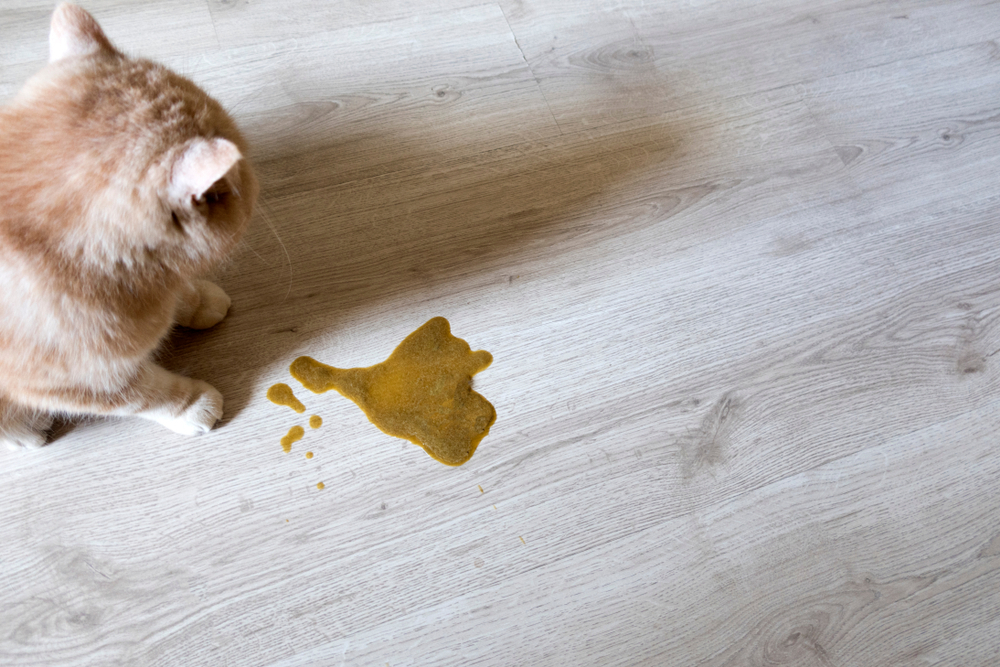
FAQs About Chronic Vomiting in Pets
How do I know if vomiting is an emergency?
Vomiting that includes blood, happens alongside collapse or extreme lethargy, is paired with abdominal swelling or obvious pain, or continues without any food or water being kept down warrants an emergency call. We offer 24/7 after-hours emergency care.
What’s the difference between vomiting and regurgitation?
Vomiting involves active abdominal effort and usually produces digested or partially digested food. Regurgitation is passive, often happens immediately after eating, and brings up undigested food. The distinction matters because conditions like megaesophagus cause regurgitation, not true vomiting, and require a completely different approach.
Can food allergies develop suddenly after years on the same diet?
Yes, they can. Food allergies are the result of cumulative exposure, and pets can develop sensitivities to proteins they’ve eaten without issue for years. A sudden onset of GI symptoms in an otherwise stable pet on an unchanged diet is a legitimate reason to explore food sensitivity.
There Is a Path Forward
Chronic vomiting is one of the more frustrating problems to live with as a pet owner, partly because the cause isn’t always obvious and partly because the process of finding it takes time. But there is a path forward, and most pets feel significantly better once the underlying cause is identified and treated.
Our team approaches every chronic vomiting case with the same methodical care and genuine investment in getting to the right answer. From baseline diagnostics through diet trials, imaging, and advanced procedures, we have the tools and expertise to work through even complicated presentations right here in Pocatello. Schedule an appointment and let’s figure out what’s actually going on with your pet.


Leave A Comment