

Holiday Emergencies: How to Handle Pet Crises When Clinics Are Closed
Imagine the scenario: It’s Christmas Eve, and your dog just snatched and ate three chocolate truffles off the coffee table. Or perhaps your cat started breathing rapidly after batting at tinsel that disappeared from view.
Holidays are supposed to be joyous, but they often bring unexpected dangers for pets, especially when your regular veterinarian is closed for the long weekend. Emergencies always seem to happen after hours. Knowing exactly how to respond and where to go for immediate care is crucial and can truly save your pet’s life when timing matters most.
At Alpine Animal Hospital in Pocatello, we understand that emergencies don’t follow business hours. Our locally owned, community-based hospital provides 24/7 emergency care for small animals, livestock, and exotics. Whether your dog eats chocolate, your horse colics, or your cat swallows string, our veterinary team is equipped with advanced diagnostics, surgical tools, and hospitalization facilities to handle most emergencies in-house, any time of day or night.
Keeping Pets Safe During the Holiday Rush
Preparation and Awareness Prevent Emergencies
Between baking, decorating, and hosting guests, pets are exposed to a whirlwind of sights, sounds, and smells. The season’s excitement often leads to temptation: chewing cords, stealing food, or slipping out an open door. Following a few holiday pet-safety tips can prevent heartbreak.
Keep decorations secure and electrical cords out of reach. Fragile ornaments and tinsel are especially hazardous when swallowed. Store toxic foods and plants safely, and keep garbage cans covered. If your pet has a sensitive stomach or existing condition, a quick wellness visit before the holidays can help you plan ahead. Our veterinary team can discuss preventive measures and identify hidden health risks before festivities begin.
Make sure your pet’s microchip information is up to date, especially if you’re expecting guests or traveling. Many pets escape through open doors or gates when visitors arrive, and a microchip can be the difference between a temporary scare and a lasting loss.
Common Holiday Pet Emergencies
Seasonal Hazards to Watch For
Veterinary emergencies spike around the holidays because pets encounter unfamiliar objects and foods. Lights, ribbon, and decorations can attract curious pets, leading to electrical burns or intestinal blockages. Fatty leftovers and rich desserts can trigger pancreatitis or digestive upset, especially in dogs. A warm fireplace can become singed whiskers in a blink.
Even cold weather can contribute to emergencies, especially for outdoor pets or livestock. Frostbite, dehydration from frozen water sources, and ingestion of antifreeze are all winter concerns. Our veterinarians frequently see cases of toxin exposure from driveway chemicals and de-icers during this time of year.
If your pet suddenly vomits, appears bloated, or seems weak, call our urgent care team right away. We handle most emergencies in-house and can provide immediate stabilization, diagnostics, and treatment, no matter the hour.
Toxic Holiday Foods and Plants
Hidden Dangers in Festive Treats and Décor
Many popular holiday foods can be dangerous for pets. Chocolate, grapes, raisins, and xylitol (found in sugar-free desserts) can cause severe poisoning. Poinsettias, mistletoe, and lilies are among the most common toxic plants that cause upset stomachs or more serious reactions. Even something as simple as turkey bones or gravy can cause choking or gastrointestinal blockages. Keep food scraps well out of reach, and remind guests not to feed your pets under the table. Take the time before your party to ensure your decorations and menu are pet-safe.
If you suspect ingestion of something toxic, call us or the Pet Poison Helpline immediately. Our veterinarians can provide decontamination and supportive care. Before the holidays, consider scheduling a wellness visit to review dietary recommendations and ensure your pet’s immune system is strong enough to handle the season’s changes. A little preparation now can prevent an urgent call later.
Managing Pet Stress During Festivities
Creating a Calm Environment for Your Companion
Even the most social pets can become overwhelmed during large gatherings. Unfamiliar noises, guests, and disruptions to routine can trigger anxiety. Establishing safe, quiet zones allows pets to retreat from the excitement. Keep food and decorations out of these areas, and maintain normal feeding and walking times when possible. Be familiar with the “stress ladder” and monitor your pet’s body language. A normally friendly pet can be pushed too far by curious children and loud noises. Intervene and remove your pet from the festivities if you notice stress building.
Stress can also trigger some health conditions. For cats that are prone to urinary issues, be especially careful- stress is a trigger for Feline Lower Urinary Tract Disease, and can result in an emergency known as urethral obstruction. For epileptic pets, monitor them closely- over-excitement and stress can cause seizures in certain cases.
When hosting, remember to watch interactions between pets and children closely. Simple adjustments, like using a white noise machine or pheromone diffuser, can help maintain calm. Follow pet holiday party tips to ensure your celebrations are enjoyable for both pets and guests.
For animals with known anxiety, your veterinarian may recommend calming supplements or medications in advance. Keeping routines consistent after guests leave can also help them re-adjust more quickly.
Traveling Safely with Pets
Planning Ahead for a Smooth Journey
For many families, holidays mean travel. Some pets handle road trips well, while others experience motion sickness or anxiety. Following stress-free holiday travel guidelines ensures your pet’s comfort.
Pack essentials such as food, water, medication, and bedding. Use secure carriers or harnesses, and schedule frequent breaks for exercise and hydration. Before departing, verify your pet’s vaccinations and health certificates are current. Our veterinarians can help with travel documentation and preventive recommendations- simply schedule an appointment before your trip.
If you’re boarding your pet while traveling, confirm requirements for vaccinations such as Bordetella or influenza. Bringing familiar bedding and toys can make the transition smoother and less stressful.
First Aid for Pet Emergencies
Essential Skills Every Pet Owner Should Know
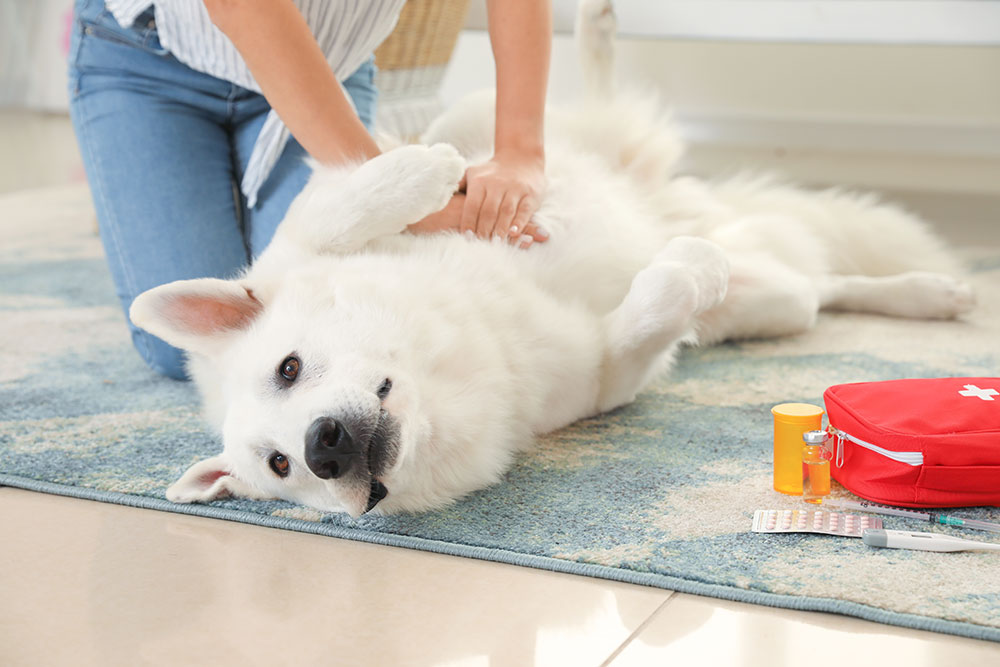
Knowing basic first aid can make a critical difference in an emergency. Keep a pet-specific kit stocked with bandages, antiseptic, gauze, and saline solution. Learn how to manage bleeding, choking, or ingestion incidents safely through pet first aid training or certified cat and dog first aid classes.
If your pet has a known medical condition, like seizures or diabetes, include emergency medication in your kit and review administration instructions with your veterinarian. Extra excitement can trigger seizures in some pets, and changes to meals- like being slipped a snack by a well-meaning guest, or missing a normal meal time- can cause dangerous blood sugar spikes and lows.
While first aid can stabilize your pet temporarily, veterinary care is essential for long-term recovery. If your pet is injured or unresponsive, call our urgent care line for immediate assistance. Our team will guide you on safe handling and prepare for your arrival.
Recognizing a Pet Emergency
When to Call for Immediate Help
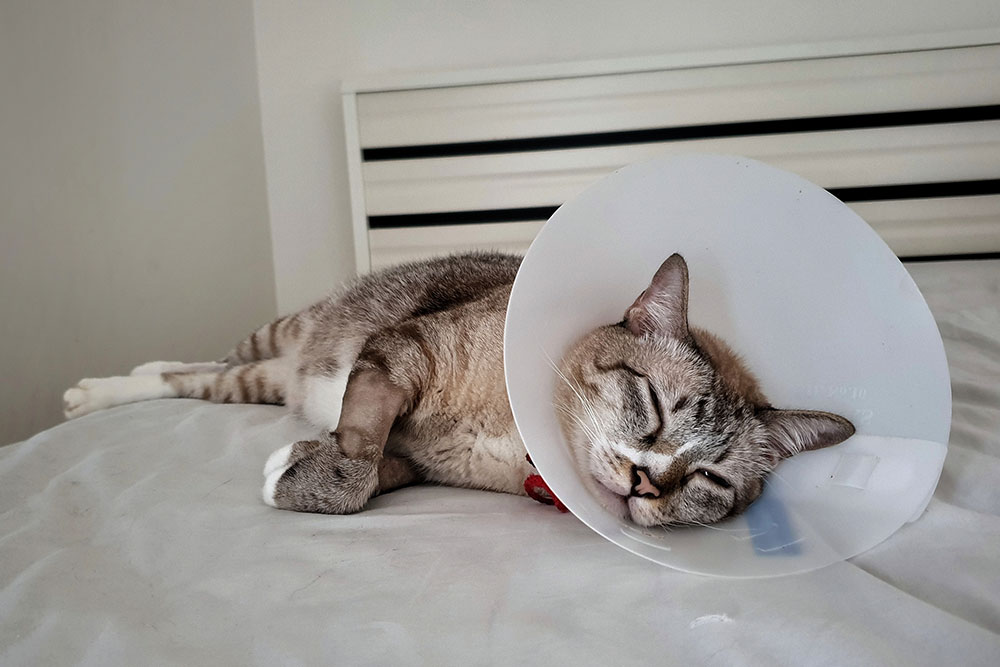
Knowing when to act can save your pet’s life. Symptoms such as persistent vomiting, labored breathing, pale gums, or collapse all require immediate attention. Review these common signs of a pet emergency and err on the side of caution if you’re unsure.
Some emergencies, like bloating in dogs, gastrointestinal foreign bodies, urinary blockage in cats, or blood sugar highs and lows, can worsen within minutes. At Alpine Animal Hospital, we provide 24/7 emergency care, so even if it’s the middle of the night, help is just a call away. We can handle most crises on-site, from toxin ingestion and bloat to respiratory distress and fractures. If your pet’s condition changes suddenly, contact our emergency team right away for triage and instructions before heading in.
Keep our number saved in your phone and written on your refrigerator so everyone in the household knows who to call in a crisis.
Proactive Holiday Safety for Your Pet Provides Peace of Mind
The holidays should be a time of joy, not panic. By staying informed, creating a safe home environment, and knowing where to go in an emergency, you can protect your pet from many seasonal hazards.
At Alpine Animal Hospital, we’re committed to keeping your pets safe year-round. Our after-hours emergency team is always ready to respond, and our compassionate veterinarians treat every patient like family. Before the holiday rush begins, schedule an appointment or contact us to discuss your pet’s preventive care plan, update vaccinations, or prepare for travel.


Leave A Comment